Beyond the DJ booth, Georgia has become an important figure within Australia’s underground electronic community, co-founding the Neurotiq Erotiq party series and Phenomena Records, both driven by a desire to create spaces where adventurous music and genuine community can flourish. That same philosophy carries through her productions: subtle rather than excessive, hypnotic rather than explosive, always inviting listeners to settle into the groove rather than chase the drop.
Following the introspective landscapes of Bird On The Wire, her new EP Move Like That marks a confident return to the dancefloor. Written between Australia and Europe, the record revisits the minimal and psychedelic house music that first sparked her love for electronic music while revealing the confidence and restraint that only years behind the decks can bring. Rather than chasing nostalgia, it feels like an artist reconnecting with her foundations through a more mature lens.
For this edition of Mixed By, Georgia Bird shares an exclusive mix that extends that journey. We caught up with her to discuss returning to her roots, the relationship between DJing and production, and why sometimes the simplest grooves leave the deepest impression.
INTERVIEW
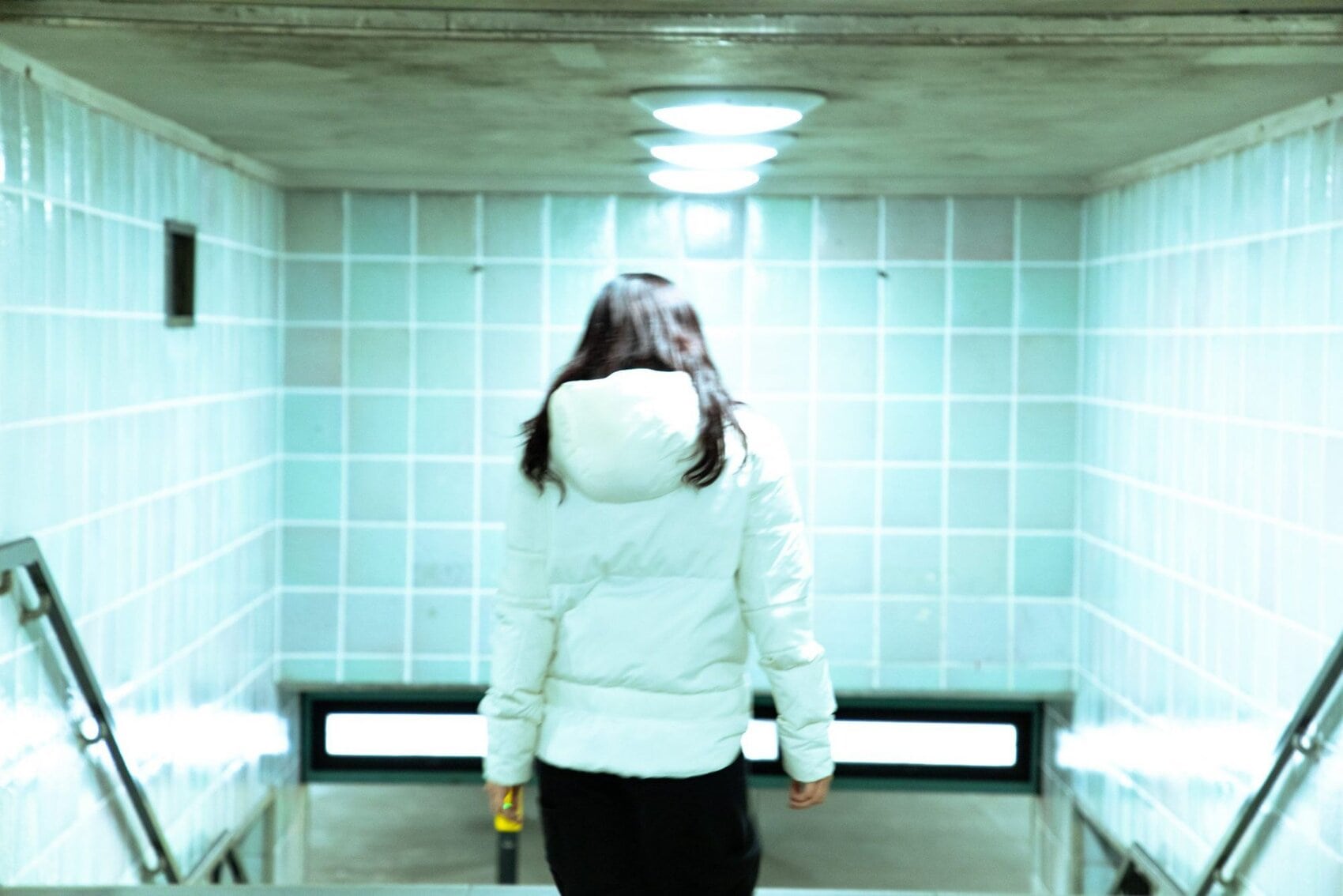
Photos by Neelistica
Move Like That feels like both a return and a progression. After exploring the more ambient and introspective world of Bird On The Wire, what made you feel it was the right moment to step back towards the dancefloor?
I think it happened quite naturally. Bird On The Wire came from a period where I was really interested in making music that existed away from the dancefloor. I wanted to explore atmosphere, emotion and texture without necessarily thinking about how a track would function in a club. Club/dance music can stick within a formula or certain constraints and I wanted to see what happened if I tried something different.
But I’ve always had this strong relationship with dance music and DJing, and after spending that time in a more introspective space, I found myself naturally gravitating back towards the energy and physicality of the dancefloor. Move Like That feels like a return to some of the music that first made me fall in love with electronic music, but I think I’m bringing everything I learnt through making Bird On The Wire with me.
So it wasn’t really a conscious decision to abandon one thing and go back to another. It felt more like reconnecting the two sides of my practice.
You describe this EP as “a return to where it all started.” Looking back, what was it about minimal and psychedelic house music that first captivated you?
Coming from Naarm/Melbourne, these organic and psychedelic sounds are everywhere. I think we’re naturally drawn to and inspired by them because of our bush doof culture, as well as the diversity of the landscapes around us – from lush rainforests to arid deserts and everything in between. That connection to nature, combined with the hypnotic and progressive nature of the music itself, is something that has always really inspired me.
My relationship with these sounds has definitely changed over time, especially as technology and the wider musical landscape have evolved. We’re in the Tamba era of music, and I think sound design has become more important than ever. It’s something I really consider when I’m writing – not just the melody or rhythm of a track, but the world and atmosphere that the sounds themselves can create.
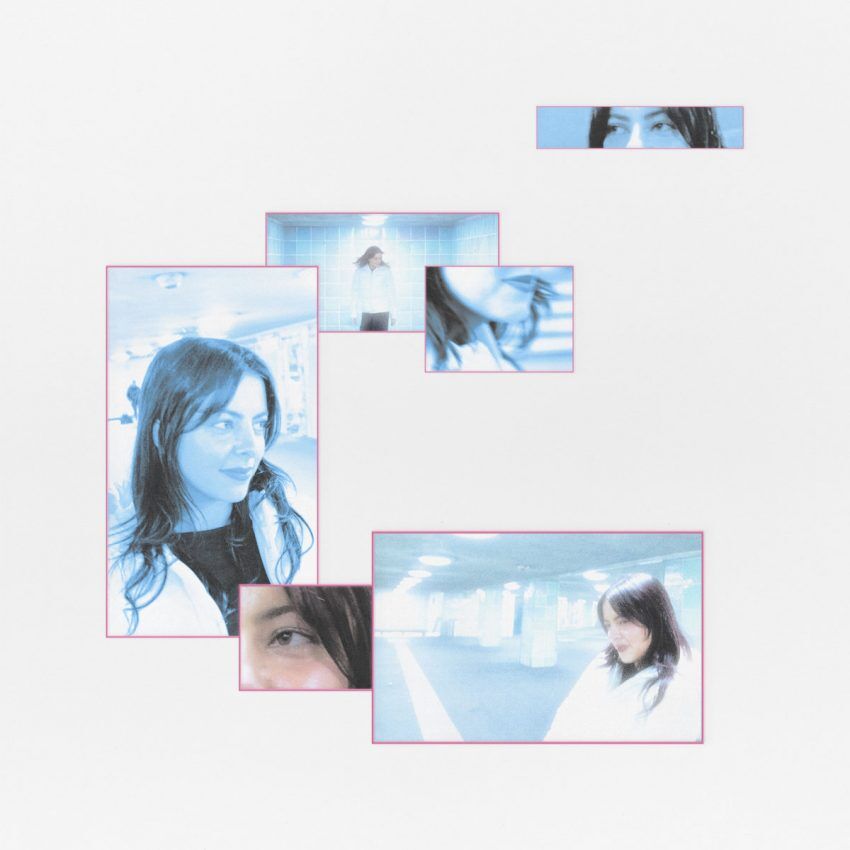
Move Like That – Written and Produced by Georgia Bird
One thing that stands out in your productions is restraint. Nothing feels overcrowded, yet there’s always a sense of movement and tension. How do you know when a track has enough?
I think knowing when a track has enough is often just a feeling. Usually, if I’m adding something simply because I feel like the track should have another element, rather than because it actually needs it, that’s probably a sign to take a step back.
I’m really interested in giving each sound its own space and allowing the small details to do more of the work. With more minimal music, I think the movement and tension can come from subtle changes in texture, sound design and arrangement rather than constantly introducing new elements. Sometimes removing something can completely change the energy of a track or make the elements that are already there feel much stronger.
You’ve spent years behind the decks before releasing your own music. How has DJing influenced the way you write tracks?
I think DJing has probably influenced my production more than anything else. Spending so many years behind the decks has made me really aware of how music feels in a room – how to build tension, also what sounds really hit in different spaces whether it’s a club or festival stage.
I definitely imagine the dance floor or where I imagine the track would be heard/ played when I’m producing. It definitely helps when trying to create the energy you’re trying to achieve.
I’ll rarely play my own music out though, I’m far too critical haha. Maybe after a year when I start to like it again.
Your career has unfolded between Naarm/Melbourne and Berlin—two cities with rich but very different electronic music cultures. What has living between those worlds taught you?
The scene I exist in in Naarm/Melbourne has always felt very community-driven to me. There’s a strong DIY culture and a real openness to different sounds, and I think the bush doof, festivals and outdoor party culture has had a huge influence on me and the wider community.
Berlin obviously has a deep history of club culture here, and there’s a real focus on the club as a space in itself. Living here has made me more aware of the importance of atmosphere, sound systems and the physicality of a room, but also of how much freedom there is to experiment and exist outside of expectations. I really do love the focus on parties as well as longer DJ sets here.
I think even though they’re different there’s a lot of similarities within the community side of the scene.
Alongside your solo work, you’re also one half of IN2STELLAR. Does working within a duo satisfy a different creative instinct than producing under your own name?
Definitely. I think they satisfy very different creative instincts for me. IN2STELLAR is inherently collaborative, so there’s something really exciting about not being completely in control of the direction a track or idea takes. The project has always been very connected to the dancefloor and to our shared experience of DJing.
With my solo project, I have a lot more space to follow an idea wherever it wants to go. I can be more introspective, experiment with different textures and tempos, and make something without necessarily thinking about whether it fits within the world of IN2STELLAR.
I don’t really decide consciously whether an idea belongs to one project or the other. Usually the music tells me. If something feels more immediate, energetic or built around the chemistry of playing together, it naturally finds its way towards IN2STELLAR. If it feels more personal, atmospheric or like something I want to explore on my own, it usually becomes a Georgia Bird track.
We (IN2STELLAR) haven’t written a track together since 2024, with the exception of one track forthcoming, so these days I’m solely focused on developing my personal project, which has slowly been brewing over the years.
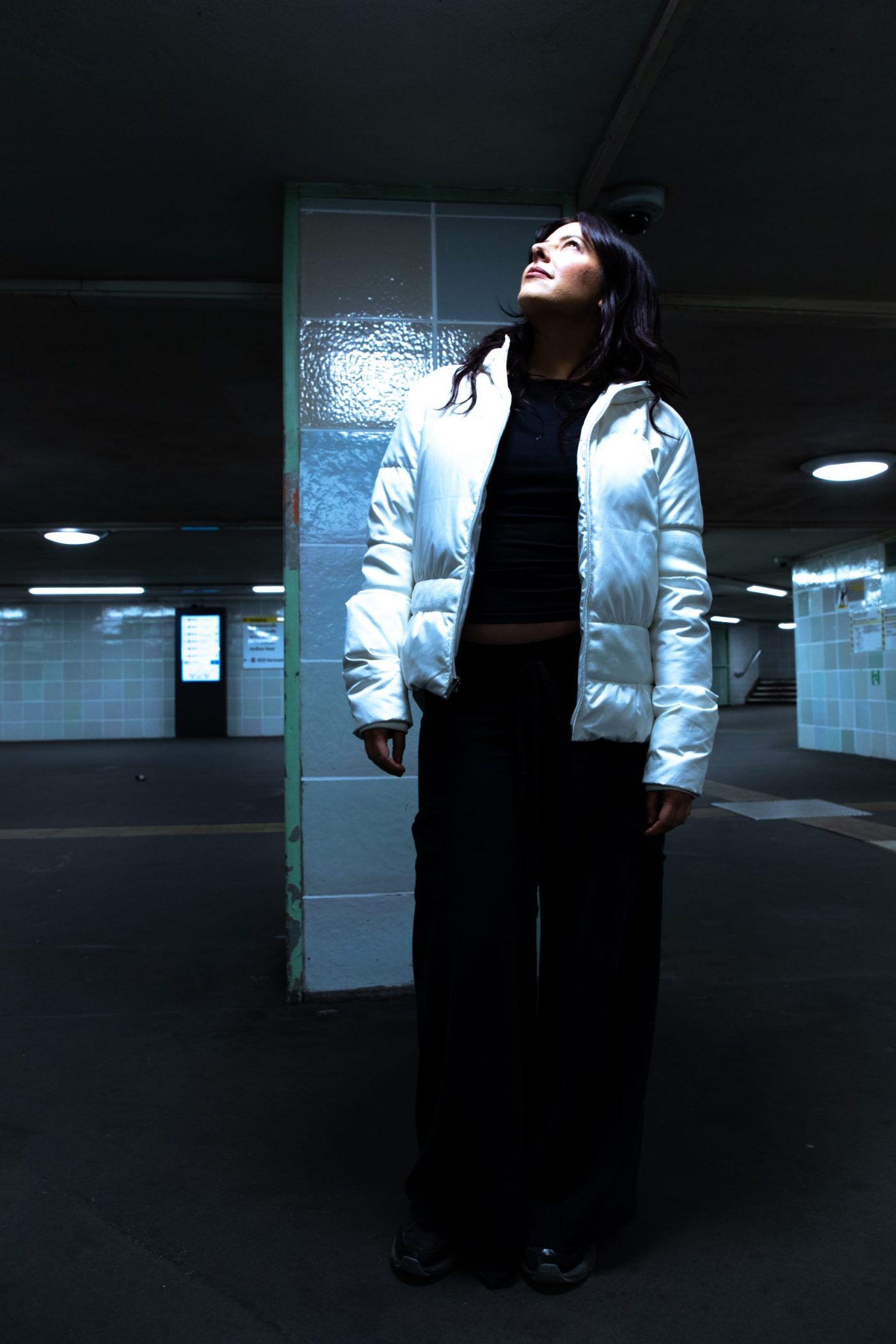
Photos by Neelistica
Through Neurotiq Erotiq and Phenomena Records, you’ve also helped build spaces for artists and audiences beyond your own music. Has curating events and running a label changed the way you think about your role within electronic music?
Definitely, with Neurotiq Erotiq and Phenomena, I’ve really enjoyed being able to create spaces where other artists can experiment and where people can discover music they might not otherwise come across. Or with the label work with artists on sometimes their debut release which is so exciting. There’s something really rewarding about seeing an artist you believe in play to a room, or watching a community form around an event or a release.
I think community has always been a big part of electronic music for me, especially coming from Naarm/Melbourne which is such a tight scene. Some of my earliest experiences with dance music were really tied to the people around it, not just the music itself. Moving to Berlin has only reinforced that for me.
The title Move Like That suggests movement, but not necessarily intensity. What kind of movement were you hoping these tracks would inspire?
I think it’s a bit of physical movement and emotional movement. I don’t necessarily think about creating big, intense moments. I’m more interested in creating a groove or sound that people maybe haven’t heard or makes them think.
For this Mixed By feature, you’ve put together a mix that sits alongside the EP. How did you approach building it?
This mix is a little different from the record. I think I was more inspired by summer when I was putting it together, so it’s a bit more uplifting and energetic while still keeping that hypnotic quality that runs through the EP.
I wanted it to reflect what I’ve been enjoying playing and listening to recently, rather than trying to make it a direct extension of the record. There are still some of the same influences in there – minimal and progressive – but I think the mix has a lighter feeling to it.
For me, it’s more of a snapshot of where I’m at as a DJ right now and what I’ve been enjoying playing over summer.
Is there a story running through the mix?
I wouldn’t say there’s a really specific story running through it. I think it’s more about the feeling and the progression of the mix. I can imagine listening to this with my friends having a drink in the sun or in the car driving along the beach.
Dance music often celebrates bigger, louder moments, yet your work finds power in subtlety and patience. Do you think audiences are becoming more receptive to that kind of slower-burning energy?
I think people are definitely receptive to it, but I do think the environment plays a big part. I think with social media and these viral moments people are constantly trying to create and this record feels like the antithesis of that. I think audiences are becoming more open to different forms of dance music. As life moves so fast these days people are becoming open to slower, deeper, more hypnotic grooves.
Looking ahead, where do you feel your sound is heading?
I’m really interested in pushing the sound design further and experimenting with how minimal, psychedelic and progressive ideas can be taken somewhere a bit stranger. I’ve also been listening to a lot of dubby techno, tech house so I think some of those influences will naturally start coming through as well.